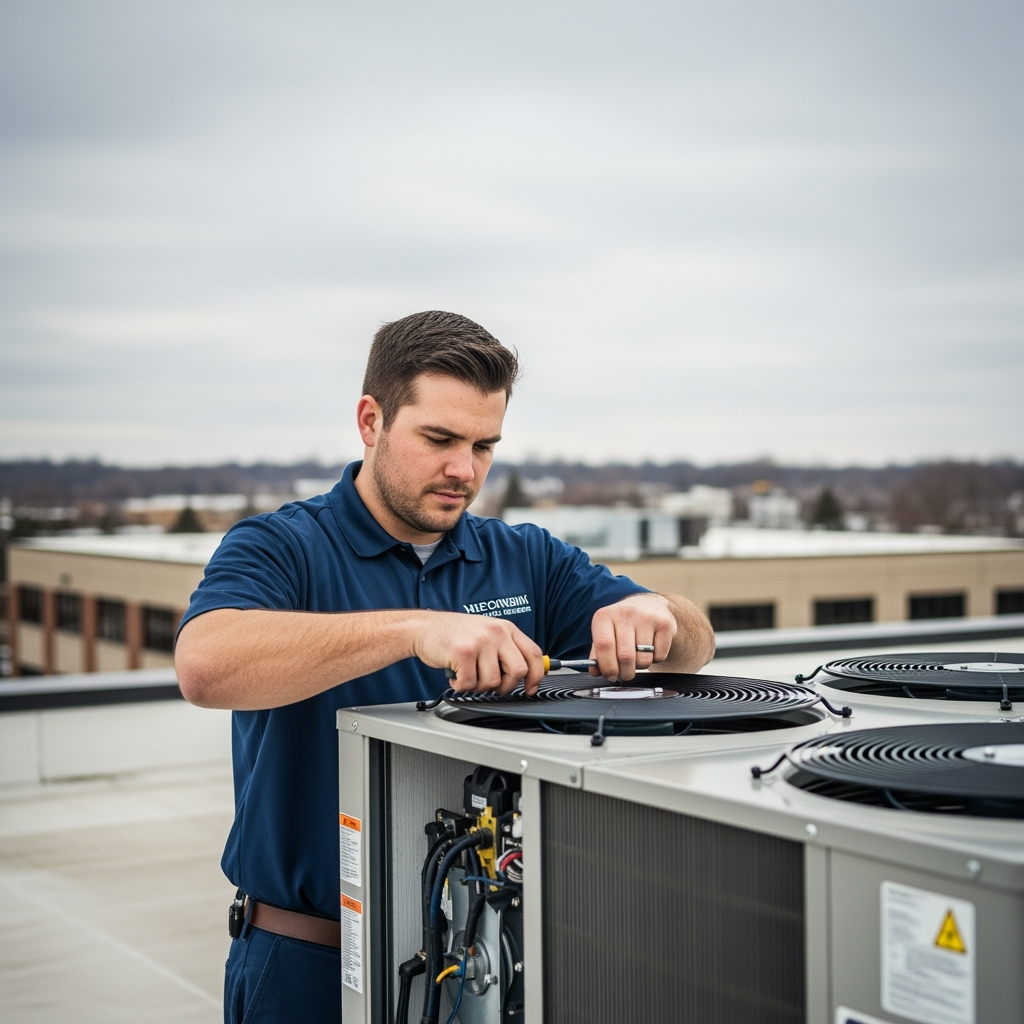
When your building’s heating, ventilation, air conditioning, or refrigeration system falters, you want dependable help fast. I’ve written this guide to help you find trusted HVAC specialists in Wisconsin and make smart choices for commercial and light-industrial properties. For context on state energy use and why HVAC decisions matter here, the U.S. Energy Information Administration offers a broad look at regional energy trends that help explain seasonal needs and costs (EIA).
Why local HVAC expertise matters in Sun Prairie and the Madison area
Wisconsin’s climate swings—from frigid winters to warm, humid summers—create unique stresses on HVAC systems. In places like Sun Prairie and across Dane County, maintenance needs and equipment choices differ from those in milder regions. I’ve seen systems fail because contractors used one-size-fits-all solutions that weren’t sized or configured for local heating degree days and refrigeration loads. Hiring a specialist who understands local weather patterns, municipal code, and commercial building types eliminates guesswork and reduces long-term costs.
Common commercial needs in this region
Facilities around Sun Prairie typically call for:
- Robust heating systems that handle long cold stretches without constant breakdowns.
- Efficient cooling for office spaces, storefronts, and dining establishments during humid summer months.
- Commercial refrigeration services for grocery, foodservice, and pharmaceutical clients to protect inventory and comply with health codes.
- Preventive maintenance plans that reduce emergency visits and extend equipment life.
Two trending topics changing how businesses manage HVAC
As I talk with building managers and facility teams, two trends keep coming up: the rapid adoption of heat pumps and smarter electrification. Heat pumps have improved a lot; they now handle Wisconsin winters better than earlier models, and they can shrink fuel bills while reducing carbon emissions. Meanwhile, smart controls and building automation systems let owners monitor performance and schedule service proactively, which is especially helpful for businesses with multiple locations across the city and surrounding towns.
How to spot trouble before an emergency
Waiting for a full failure is expensive. From my experience, early warning signs are often subtle but fixable when addressed quickly. Watch for these red flags and act before your operations are disrupted.
- Unusual noises or frequent cycling from rooftop units or compressors indicate emerging mechanical problems.
- Inconsistent temperatures across zones where one office or storefront is hot while another is cold.
- Higher-than-normal energy bills without a change in occupancy or hours.
- Ice buildup on outdoor units during transitional seasons or unexplained leaks around refrigeration equipment.
What a thorough commercial HVAC and refrigeration inspection looks like
When I schedule an inspection with a solid provider, I expect a methodical process that covers safety, performance, and future planning. A reputable specialist will:
Inspect and test key components such as compressors, fans, coils, filters, controls, and defrost cycles. For refrigeration, they’ll validate setpoints and alarm systems tied to inventory protection. They’ll also check ductwork and zoned controls, perform airflow measurements, and review maintenance history. Finally, they should deliver a written report with prioritized recommendations so facility managers can budget repairs or upgrades effectively.
Questions to ask during a site visit
Clear questions help you compare bids and avoid surprises:
- How does this solution lower operating costs each year? Ask for estimated energy savings and payback timelines.
- What are the recommended maintenance intervals, and do you offer customizable plans?
- Can you support emergency response needs and offer documented service-level agreements?
- Will the work meet local code and health department standards for commercial refrigeration or food service environments?
Choosing the right provider in the area
Picking a contractor is about fit as much as price. In my work I prioritize experience with local commercial systems, transparent pricing, and clear communication. Here’s a step-by-step approach I use when vetting candidates:
- Verify licensing and certifications relevant to commercial HVAC and refrigeration work. Ask for technician certifications and manufacturer training records.
- Request references from comparable local projects—stores, restaurants, or municipal buildings within Dane County or the Madison metro area.
- Compare written proposals that break down labor, parts, projected energy savings, and warranty terms.
- Confirm emergency response windows and whether the provider has stocked parts for common equipment to minimize downtime.
How upgrades and modernization save money over time
Upfront costs can seem high, but strategic upgrades often pay for themselves through lower utility bills and fewer emergency repairs. Here are practical upgrades I recommend most frequently for commercial properties in our climate:
High-efficiency rooftop units and variable refrigerant flow systems reduce runtime while maintaining comfort. Modern controls, including weather-responsive scheduling and remote monitoring, let you catch issues early and tune systems to actual use patterns. For stores and kitchens, upgraded refrigeration with better insulation and automated defrost cycles can prevent product loss and lower power demand during peak hours.
Rebates, incentives, and financing options you should know
When considering upgrades, don’t overlook rebates and financing that make projects more affordable. Energy-efficiency incentives from state or utility programs can significantly offset equipment and installation costs. I always encourage facility teams to ask potential contractors to include incentive support as part of the quote. Contractors that help submit rebate paperwork and model expected savings remove a major administrative burden and speed project approval.
Practical maintenance checklist for building managers
Simple preventive steps reduce emergency calls and extend equipment life. I recommend this quarterly checklist to every manager I work with:
- Replace or clean filters and confirm airflow at vents and return grilles to prevent pressure imbalances.
- Inspect condenser and evaporator coils and remove debris that limits heat transfer.
- Test thermostats and zone controls; verify setpoints during occupied and unoccupied hours.
- Review refrigeration alarms and log temperatures for high-value inventory to detect gradual drifts.
Pricing expectations and how to evaluate bids
Costs vary based on system size, building layout, and whether the work is repair, replacement, or a planned upgrade. When I compare bids I look beyond the bottom line. A cheaper bid can hide reduced warranty coverage, inferior materials, or a lack of local support. Favor proposals that include line-item pricing, parts’ manufacturer names, labor hours, and clear warranty terms. Ask for an estimated total cost of ownership over five to ten years to compare long-term value, not just initial expense.
Case example of a quick turnaround that saved inventory
I once worked with a facility that noticed a refrigeration alarm in the morning at a busy retail location. The local crew responded, diagnosed a failing compressor, and had a replacement on-site within four hours. Because maintenance records were available and the provider had tested failover settings, the team minimized product loss and had the unit back to stable operation the same day. That rapid response prevented significant inventory waste and lost sales—proof that local expertise and readiness pay off.
Final checklist before signing a service agreement
Before you sign, make sure the contract covers these essentials: a clear scope of work, service response times, record-keeping commitments, warranty details, and a transparent change-order process. These elements protect your operations and set expectations for both parties. A strong agreement paired with proactive maintenance turns HVAC service from a reactive cost into a predictable, manageable line item.
After walking through this guide, you should feel more confident evaluating proposals, spotting early system issues, and prioritizing upgrades that lower operating expenses. Whether you manage retail, restaurant, or commercial office space in Sun Prairie, Madison, or nearby communities, planning and local expertise are your best tools for maintaining comfortable, code-compliant facilities year-round.
If you’re ready to discuss a specific project, emergency service need, or to get a maintenance plan built for your locations, reach out to Nextech for service options and local availability.