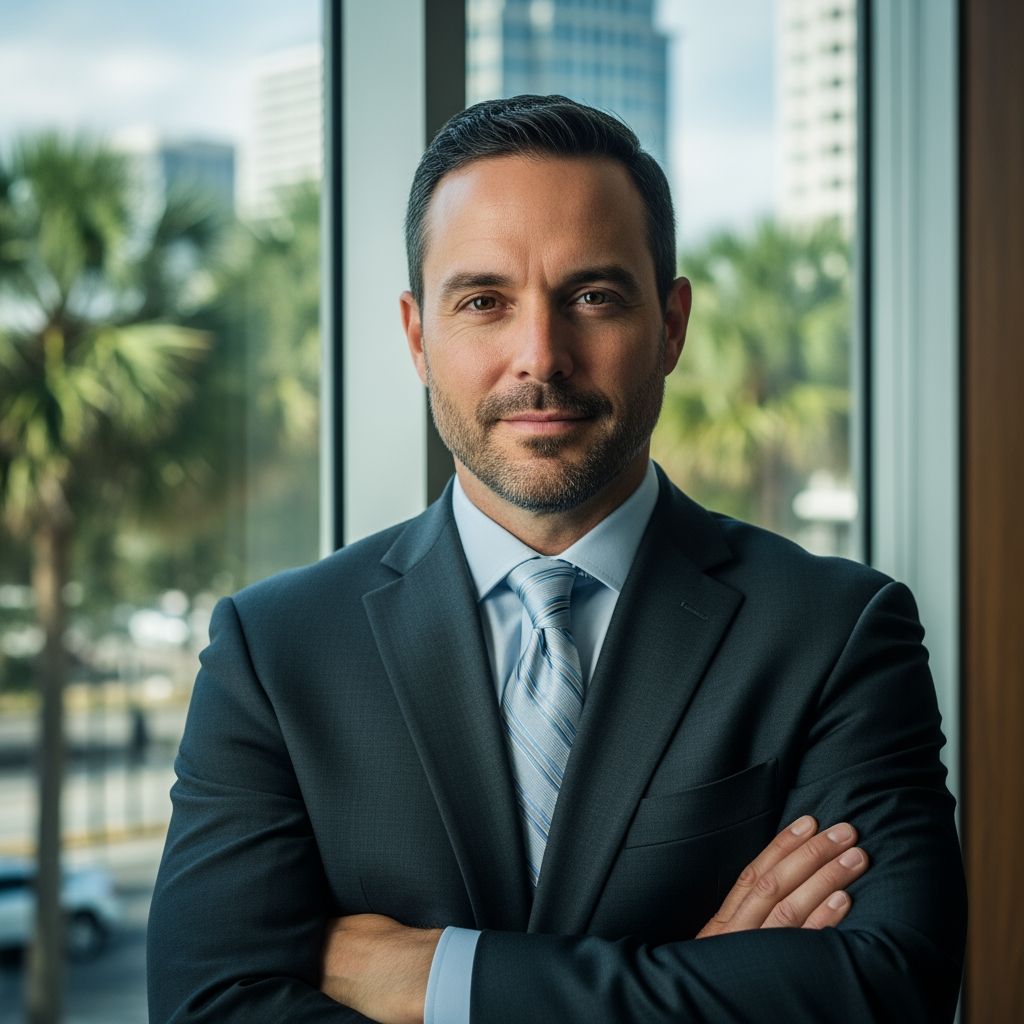
I know how scary it can feel when your future is on the line. If you’re looking for a gun crime attorney in Tampa, FL, you need clear information fast and a defense that understands local courts and neighborhoods. The FBI reports ongoing attention to firearm offenses nationwide, and that has changed how investigators and prosecutors build cases, so acting quickly matters more than ever https://www.fbi.gov/.
Why local experience matters in Tampa
Criminal cases are won and lost on small facts and local knowledge. Tampa’s courts, judges, and prosecutors have patterns you learn only by handling cases here. I’ve handled matters across this city — from Ybor City and Downtown to South Tampa and Westshore — and I know which judges are likely to grant bond reductions, which prosecutors are open to diversion, and what the Hillsborough County courthouse expects at arraignment.
Local experience also means knowing how law enforcement operates in this area: which units investigate shootings or firearm possession, typical search-and-seizure practices in Seminole Heights, and how patrols in neighborhood hotspots collect evidence. That context allows me to spot weaknesses in the state’s case and fight for better outcomes.
Common gun charges you’ll see in this area
Gun offenses in Tampa run a wide spectrum. The charge you face affects potential penalties, whether the case is handled at the state or federal level, and which defenses make sense. Here are the categories I encounter most often:
- Possession of a firearm by a convicted felon or prohibited person
- Carrying a concealed weapon without the proper permit
- Unlawful discharge of a firearm in a public place
- Possession of a firearm during the commission of another felony
Each charge carries its own legal puzzles. For example, “possession” can be constructive rather than physical, meaning the firearm might be found in a vehicle or home and the state must show you had control and knowledge. That nuance gives us room to challenge evidence.
How prosecutors typically build a gun case
The government weaves together several threads to show guilt: eyewitness statements, ballistics or firearm records, surveillance video, cell-phone location and metadata, informant testimony, and physical evidence like fingerprints or DNA on the weapon. In the last few years, social media posts and videos have become particularly persuasive for juries.
Search and seizure law is central. If officers didn’t have lawful grounds to search your property or vehicle, evidence can sometimes be suppressed. Challenging the legality of a stop, arrest, or search is often the first and most effective line of defense.
What to do immediately after an arrest or police contact
Time matters. How you act in the first hours or days can change the whole course of your case. If you’re stopped, questioned, or charged, take these steps right away:
- Remain calm and politely invoke your right to remain silent. Speak only to your attorney.
- Do not resist or flee. Physical resistance can add additional charges and make your situation worse.
- Document everything you remember: officer names, badge numbers, the sequence of events, and any witnesses or surveillance that might exist.
- Contact an experienced defense attorney before you give any detailed statements or consent to searches.
Defense strategies we use for gun cases
Every case is different, but there are proven strategies that effective defense attorneys use. I’ll outline the core approaches so you know what to expect and which avenues your lawyer will likely explore:
Motion to suppress evidence: If police obtained a firearm or statements through an illegal search or arrest, we can ask the court to exclude that evidence. Without key physical evidence or testimony, many cases weaken considerably.
Challenging identification and witness reliability: Witness memory can be flawed, and cross-examination can reveal inconsistencies. Surveillance footage and expert analysis of video quality often change the narrative the state tries to present.
Questioning chain of custody and forensic testing: Ballistics and firearm testing must follow strict procedures. Errors in documentation or handling can reduce the weight of the state’s evidence or cast doubt on its conclusions.
Negotiated resolution or diversion: For some clients, a plea agreement, diversion program, or conditional discharge avoids a harsh sentence while addressing public-safety concerns. These options depend on the charge, criminal history, and local prosecutorial policies.
Federal vs state gun charges and why it matters
Gun cases can be prosecuted in state court or in federal court, and the stakes and procedures differ. Federal penalties for firearm offenses often carry harsher mandatory minimums, different search rules, and a different set of investigative agencies involved. A case that starts as a local arrest can escalate to a federal matter when agencies like the Bureau of Alcohol, Tobacco, Firearms and Explosives get involved.
Knowing who is prosecuting your case affects strategy. In some situations, persuading local prosecutors to retain the case at the state level can result in more flexible outcomes. Where federal charges are likely, early coordination with experienced federal defense counsel becomes critical.
How bail and pretrial release work here
After an arrest you’ll face an initial hearing where bond and release conditions are set. In Hillsborough County, judges consider public safety, flight risk, and the nature of the offense. Firearm-related charges can lead to higher bonds or stricter conditions because of perceived risk to the community.
We work quickly to present mitigating facts at the first hearing: stable employment, family ties in the city, lack of violent history, and community support. Prompt action can reduce bond, eliminate unnecessary restrictive conditions, or secure noncustodial release options while your case moves forward.
How I prepare a defense for my clients
Preparation is everything. My approach balances aggressive legal challenges with careful mitigation and negotiation. Here’s the process I follow for every gun charge I handle:
- Immediate investigative response: I request police reports, body-worn camera and dashcam footage, witness statements, and forensic testing records to spot early weaknesses or inconsistencies in the prosecution’s case.
- Independent investigation: That might include interviewing witnesses, hiring ballistics or digital forensics experts, and canvassing for surveillance near the alleged offense location. Often the “missing” camera captures crucial exculpatory footage.
- Legal motions and hearings: If we find constitutional violations, I file motions to suppress or dismiss, arguing the court should block illegally obtained evidence or improper identifications.
- Mediation and negotiation: If a case isn’t likely to be dismissed, we prepare a strong mitigation package to seek reduced charges or alternative sentencing.
Sentencing risks and long-term consequences
Beyond jail time, gun convictions can carry lifelong consequences: loss of the right to possess firearms, difficulty finding employment, restrictions on housing and professional licensing, and harm to immigration status for non-citizens. Even a short jail sentence often triggers collateral effects that last for years.
It’s important to plan for the long term. Effective defense work doesn’t stop at trial: it includes seeking diversion where appropriate, negotiating records restrictions after case resolution, and advising on steps toward sealing or expungement when allowed by law.
Trends shaping gun prosecutions in 2025
Two trends are shaping how gun cases are investigated and prosecuted in the city and across the state. First, digital evidence is now central: prosecutors routinely use social media posts, instant messages, and location data to tie defendants to a weapon or scene. That trend means defense teams must include digital forensics early in the investigation.
Second, public and legislative focus on firearm safety has increased enforcement resources in many jurisdictions. That can mean more specialized units devoted to gun crimes and swifter escalation from local to federal investigations. Staying ahead of these trends is essential to crafting an effective defense.
Questions I get asked most often
Clients and family members often ask similar questions when they reach out for help. Here are straightforward answers based on how cases typically unfold in this area.
Will I automatically lose my right to own a firearm? Not always, but certain convictions do strip that right. Part of my work is assessing long-term risks and, when appropriate, pursuing options that avoid permanent disqualification.
Can evidence be thrown out? Yes. If police violated your constitutional rights during a stop, search, or arrest, the court can exclude that evidence. Suppression motions are a common and powerful tool in gun cases.
How long will my case take? It varies. Simple cases might resolve in a few months; complex investigations or federal referrals can stretch longer. I keep clients informed at each step so they can plan their lives while the case proceeds.
Practical tips to protect yourself and your rights
If you’re only under investigation or worried about a potential encounter with police, these practical steps can reduce your risk and protect your legal position while you consult with counsel.
- Keep calm and do not resist. Physical resistance escalates situations and can add charges.
- Do not post about the incident on social media or delete posts. Preserve evidence and allow counsel to assess it.
- Write down everything you remember about the incident as soon as you can, including witness names, times, and locations.
- Seek legal help immediately before making statements to law enforcement or signing documents.
How I work with families and loved ones
A criminal charge affects more than the person arrested. I make it a priority to communicate with family members, explain options clearly, and propose short-term plans for visitation, bail funding, and home safety. When clients need protective measures—such as addressing firearms in the home or coordinating with probation officers—I help coordinate those logistics while focusing on the legal defense.
When to call a lawyer
Call before you talk to investigators beyond identifying information. If police have already arrested someone in your family, call right away. The first 48–72 hours are critical for obtaining evidence, requesting early discovery, and preparing for initial court appearances. Early involvement improves the odds that evidence stays actionable and that we can pursue suppression or diversion options where appropriate.
Final thoughts
Facing a gun charge in Tampa is frightening, but you don’t have to navigate it alone. With the right local strategy — immediate investigation, careful legal challenges, and clear mitigation — many clients avoid the worst outcomes or secure meaningful reductions. I focus on smart, evidence-driven defense work that protects your rights and seeks the best practical solution for your life.
If you want experienced guidance tailored to the city and the courts here, reach out and we’ll review the facts, explain your options, and start building a defense right away. Criminal Attorney Tampa stands ready to help you protect your future.